
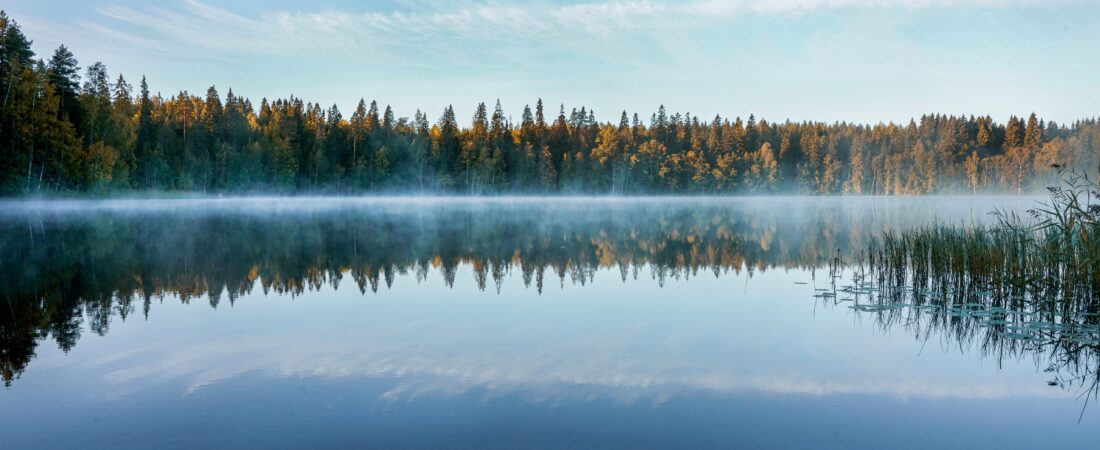
There comes a point when travel stops being about seeing more.
More cities. More landmarks. More photographs taken quickly between crowds and queues and tightly scheduled afternoons.
Sometimes what the body asks for instead is silence. A slower morning. The sound of water against stone. A place where nothing urgent is happening.
Quiet travel is not about escaping life. It is about returning to yourself inside it.
Across Europe, there are still places where the rhythm of the day feels human-sized. Villages where church bells mark the hour more gently than phone notifications. Coastlines where walking without purpose feels natural again. Forest towns where evenings arrive slowly and conversations soften with the light.
These are not destinations built for performance or constant stimulation. They are places that invite you to exhale.
If you have been craving stillness, these quiet European destinations offer something increasingly rare: space to think clearly, move slowly, and feel restored rather than exhausted after returning home.
1. Bohinj, Slovenia — Still Water Beneath the Julian Alps
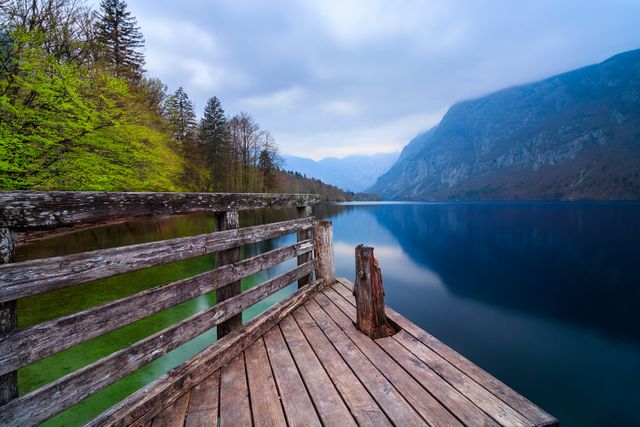
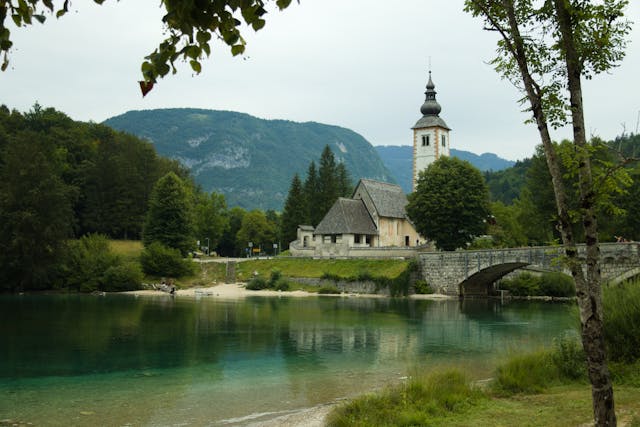
There is a softness to Bohinj that feels almost protective.
While many travelers move quickly through Slovenia toward the more photographed shores of Lake Bled, Bohinj remains quieter, wider, and less arranged. The lake stretches beneath the Julian Alps with an understated beauty that asks very little of you except attention.
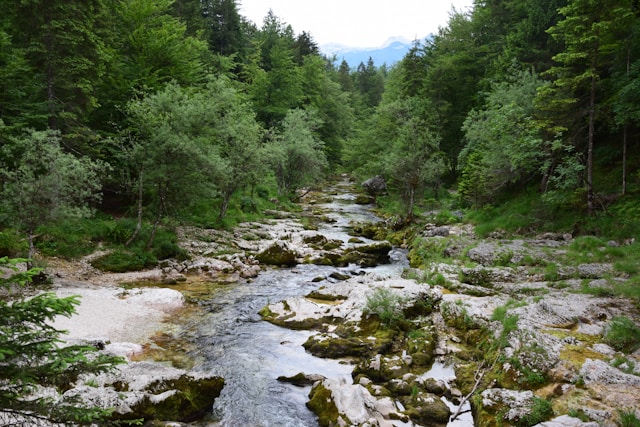
In the early morning, the paths around Mostnica Gorge feel cool, shaded, and almost meditative. The narrow canyon winds through moss-covered stone and clear alpine water that moves quietly beneath wooden walkways. You hear small things here — water slipping over rock, birds hidden deep in the trees, the soft crunch of gravel under hiking boots. The forest air smells faintly of pine, wet earth, and cold mountain water.
This is one of the most emotionally restorative slow travel destinations in Europe because there is no pressure to constantly do something. Long walks become enough.
Spring and early autumn are especially peaceful. Summer brings hikers, but even then, the atmosphere rarely feels frantic.
Bohinj suits travelers who feel overstimulated by cities and want gentle structure rather than entertainment. Days unfold naturally here: reading beside the lake, taking the train through alpine valleys, eating simple trout dinners in family-run inns, or walking quiet forest paths toward waterfalls.
The nearby village of Stara Fužina feels especially calm in the evening when the mountain light fades blue across the fields.
Practical travel notes:
- Best reached by bus from Ljubljana
- Stay at least three nights to settle into the slower pace
- Early September offers warm weather with fewer visitors
The emotional experience of Bohinj is subtle but lasting. It reminds you how deeply calming it can feel to exist somewhere without noise competing for your attention.
2. The Azores, Portugal — Islands Shaped by Weather and Silence
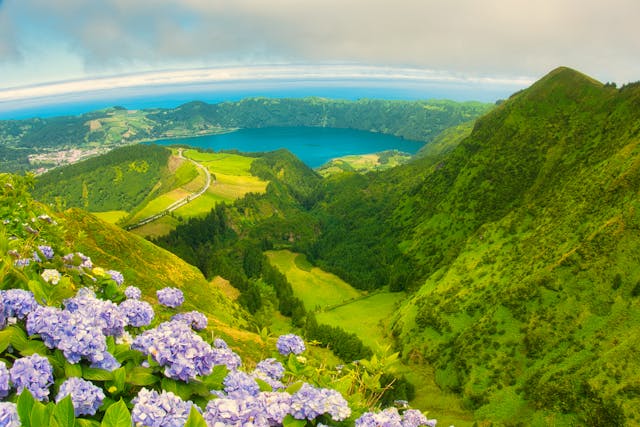
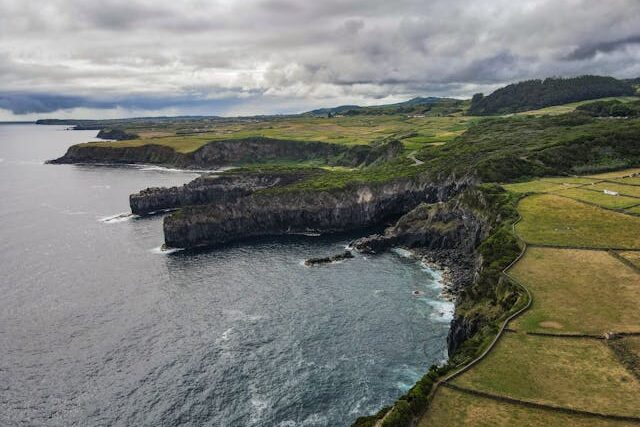
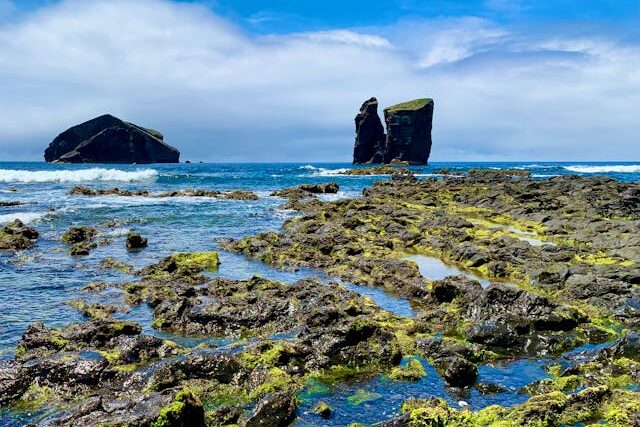
The Azores feel distant in the best possible way.
Scattered in the Atlantic Ocean far from mainland Portugal, these volcanic islands move according to weather, sea conditions, and natural rhythms rather than tourism trends.
Clouds arrive and disappear quickly here. Hydrangeas line empty roads in summer. Steam rises from thermal springs in cool morning air.
Even popular areas on São Miguel often feel spacious compared to mainland European destinations.
For peaceful travel in Europe, the Azores offer a rare combination: dramatic scenery without overwhelming crowds. The islands encourage patience. Rain may change your plans. Fog may hide an entire landscape for hours. Eventually, you stop resisting this unpredictability and begin moving with it.
The atmosphere is deeply sensory. Damp earth. Salt air. Dark volcanic rock against bright green hillsides. Cows grazing quietly in open pastures.
Ideal for:
- Introverted travelers
- Solo reflective trips
- Writers, walkers, and nature lovers
- Travelers recovering from burnout
Slower activities here include soaking in thermal pools at Furnas, driving coastal roads without fixed plans, whale watching in quieter seasons, or spending entire afternoons in small cafés overlooking the ocean.
Late spring and early autumn are particularly beautiful, with softer tourism patterns and mild weather.
Practical travel notes:
- Renting a car allows for a much slower experience
- Weather changes constantly; flexibility matters more than itineraries
- Smaller islands like Flores or Pico feel even quieter than São Miguel
The Azores create a strange and comforting feeling: the sense that the world is much older, slower, and calmer than modern life allows us to remember.
3. The Faroe Islands, Denmark — Weather, Distance, and Deep Quiet

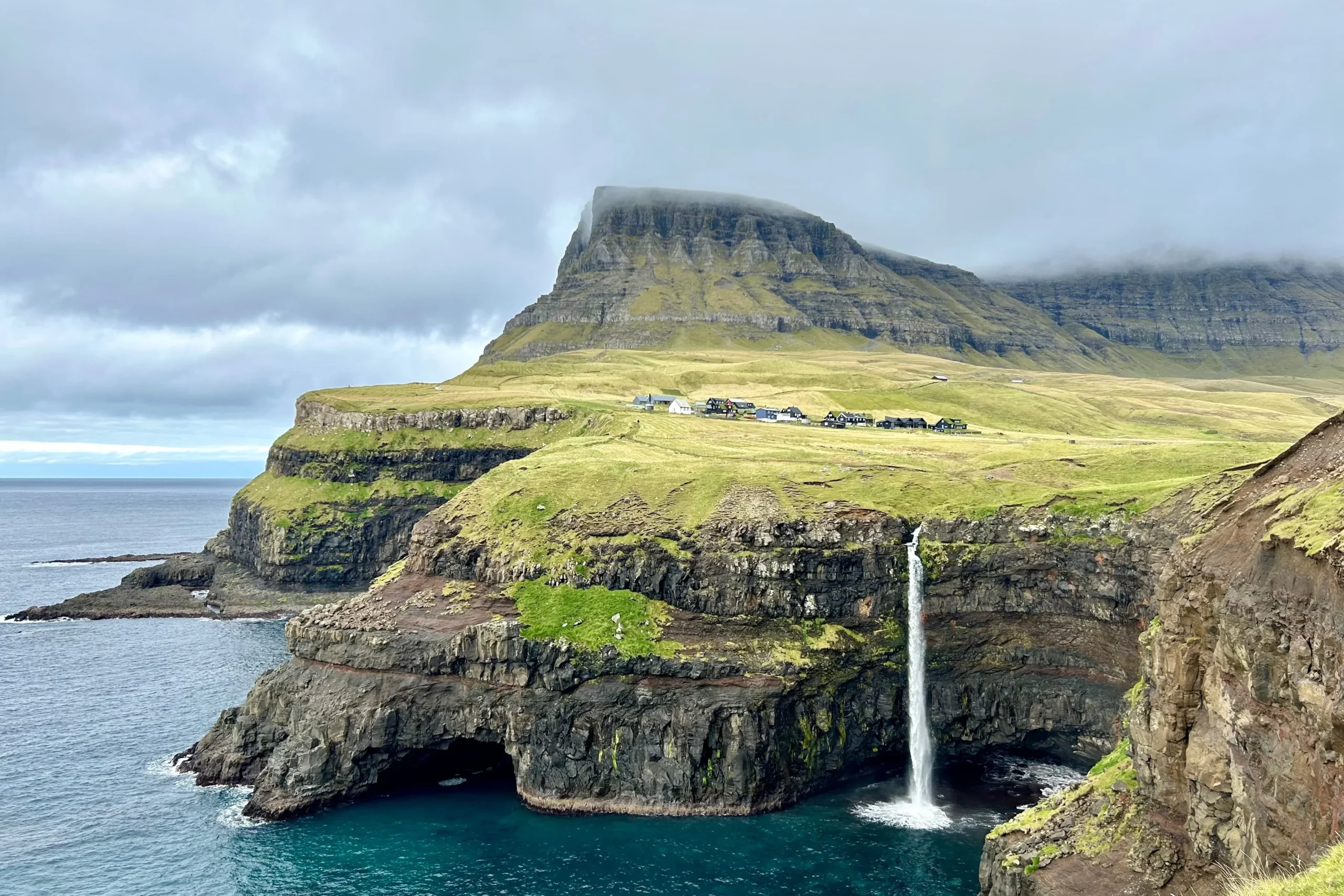
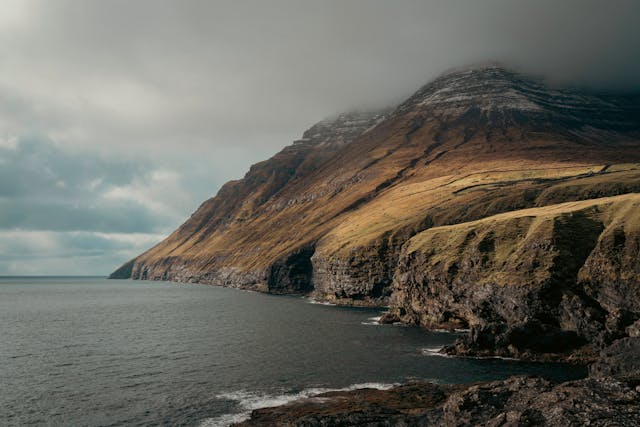
The Faroe Islands feel shaped by weather more than tourism.
Small villages sit beneath steep green mountains where clouds drift low across the sea and grass-covered roofs blend softly into the landscape. The roads are remarkably quiet once you leave the main routes, and many afternoons feel suspended somewhere between rain, fog, and light.
For travelers emotionally tired by overstimulation, the Faroes offer an unusual kind of peace: dramatic scenery without urgency.
The atmosphere is deeply sensory. Cold salt air against your face. The distant sound of sheep on hillsides. Rain tapping softly against café windows. Dark ocean water moving below cliffs disappearing into mist.
This is not a destination built around fast itineraries. The weather changes constantly, often forcing slower movement and flexible plans. Over time, that unpredictability becomes calming rather than inconvenient.
Ideal for:
- Reflective solo travelers
- Writers and photographers
- Travelers craving solitude and natural stillness
Slower activities here include driving narrow coastal roads without fixed schedules, drinking coffee in tiny harbor villages, hiking quiet cliffs in soft fog, or simply sitting near the water watching weather move across the Atlantic.
Practical travel notes:
- Late spring through early autumn offers the best balance of accessibility and calm weather
- Renting a car is the easiest way to explore slowly
- Conditions change quickly, so layered clothing matters year-round
The Faroe Islands create a feeling that modern life rarely allows: enough silence to hear your thoughts settle naturally.
4. Finnish Lakeland, Finland — Silence That Feels Physical
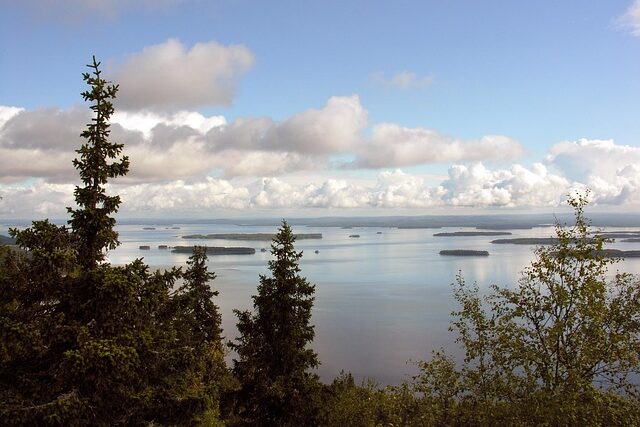
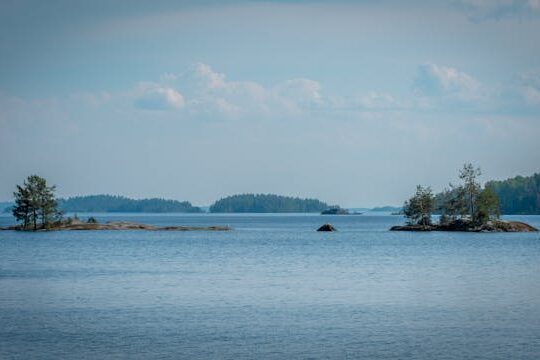
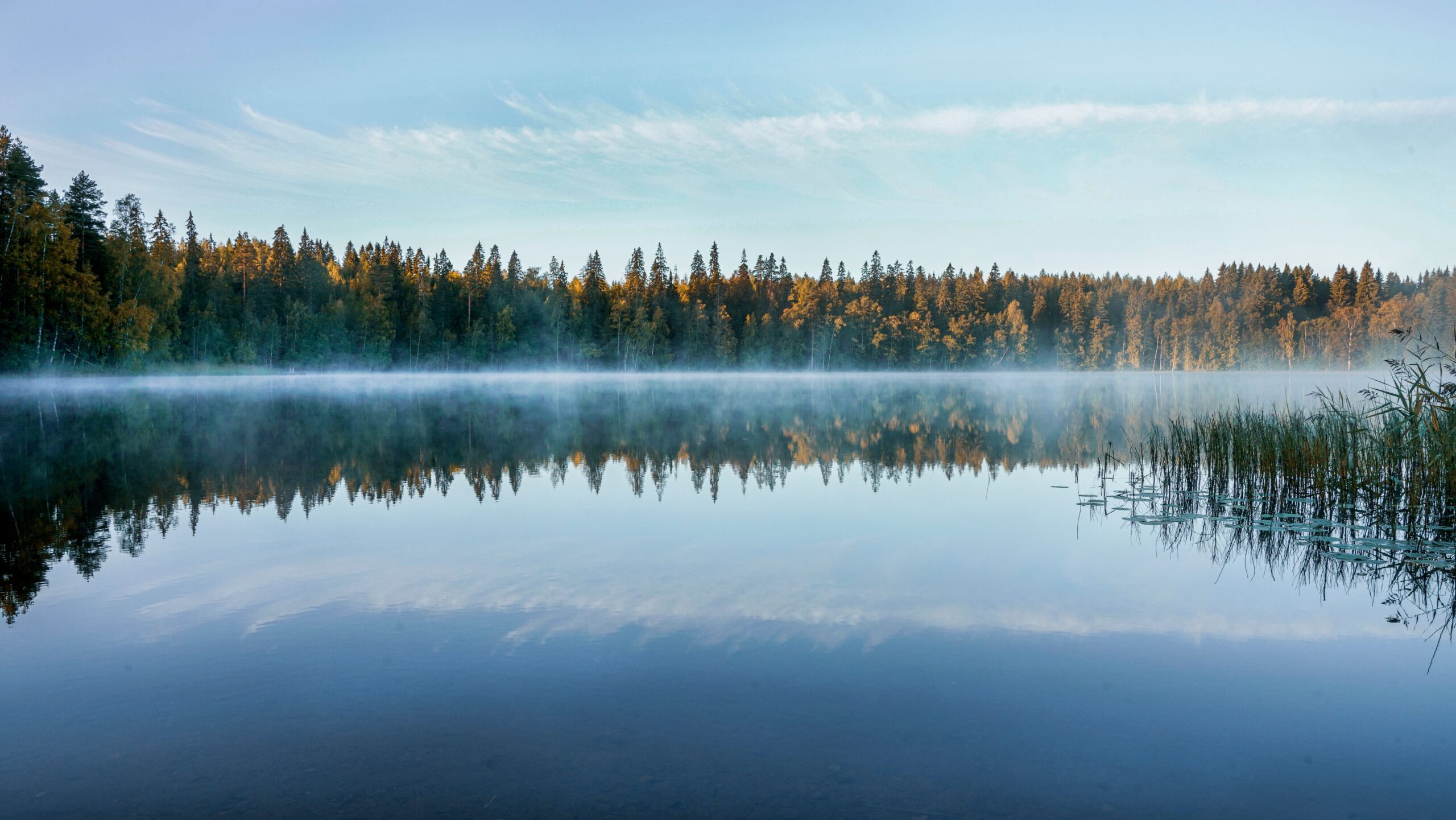
Some places are quiet enough that you begin hearing your own thoughts differently.
Finnish Lakeland is one of them.
The region stretches across forests, islands, and interconnected lakes where cottages sit far apart and evenings arrive slowly during summer. Even the silence feels textured here — broken only by wind in trees, distant birds, or water touching wooden docks.
This is not a destination built around sightseeing. It is built around presence.
For travelers seeking calm travel destinations, Finnish Lakeland offers profound mental spaciousness. Days become simple: sauna, lake swims, long walks, reading, cooking slowly, sleeping deeply.
The colors shift dramatically by season. Summer brings silver-blue water and endless twilight. Autumn fills the forests with copper and amber tones.
Ideal for:
- Burned-out professionals
- Couples seeking quiet connection
- Solo travelers needing nervous-system rest
The pace is intentionally slow. No one rushes you. Many accommodations are remote lakeside cabins where the nearest distraction is several kilometers away.
Practical travel notes:
- Summer and early autumn are best for first visits
- Renting a cabin creates the most immersive experience
- Public transportation exists but is limited in remote areas
What makes Finnish Lakeland memorable is not a specific landmark. It is the feeling of becoming quieter yourself after a few days there.
5. Alentejo, Portugal — Wide Landscapes and Unhurried Time

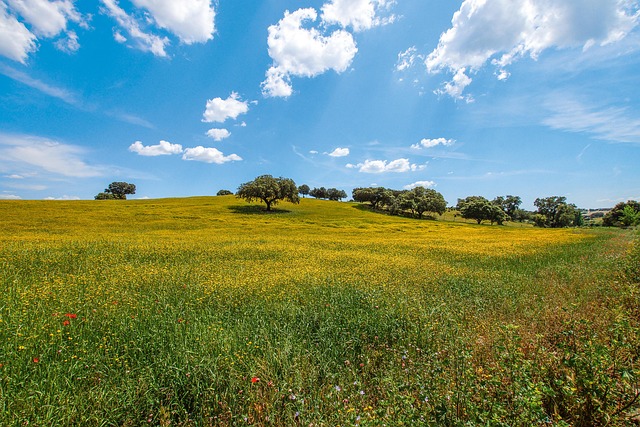
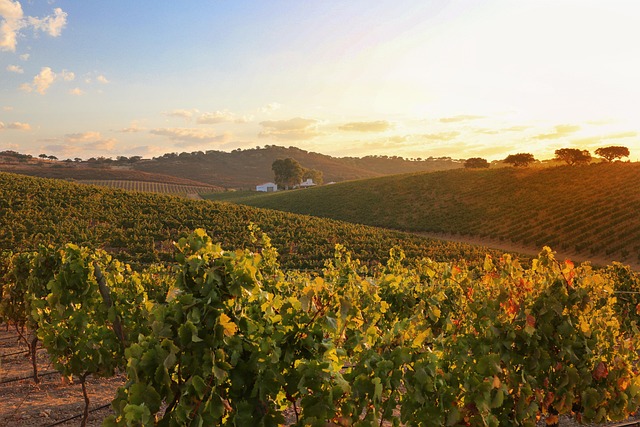
North of the Algarve and east of Lisbon, the Alentejo region unfolds slowly beneath wide skies.
Whitewashed villages rise gently from olive groves and cork oak fields. Roads stretch through landscapes that feel open rather than dramatic. Meals last long. Afternoons become quiet in the heat.
Alentejo is one of the best quiet European destinations for travelers who want softness instead of intensity.
The pace here is deeply human. Small towns like Monsaraz and Vila Viçosa feel contemplative rather than performative. In Évora, evenings settle warmly over stone streets after day visitors leave.
The sensory atmosphere is subtle:
- Dry grass moving in warm wind
- Terracotta walls fading in afternoon light
- Slow café conversations
- The earthy smell of olive oil and dust after rain
This region suits travelers who enjoy wandering without strict plans. Slow lunches become part of the experience rather than interruptions between activities.
Ideal slower activities include:
- Staying at rural farm hotels
- Visiting vineyards quietly outside harvest season
- Reading in shaded courtyards
- Driving between villages without rushing
Practical travel notes:
- Spring and October are ideal for comfortable temperatures
- A car makes exploring easier
- Distances are larger than they appear on maps
Alentejo creates a rare emotional state: enough calm that your internal pace begins matching the landscape around you.
6. Isle of Mull, Scotland — Quiet Weather and Coastal Solitude
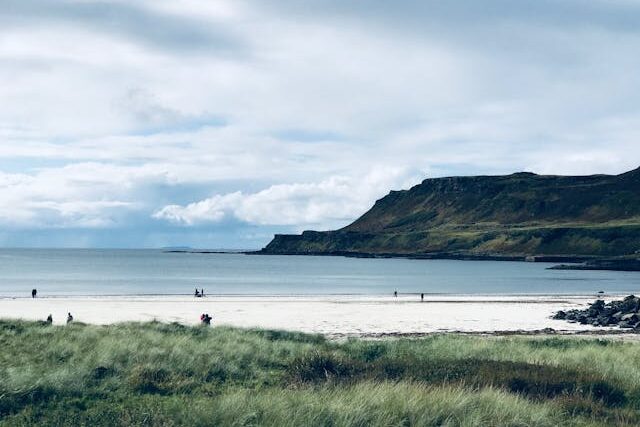
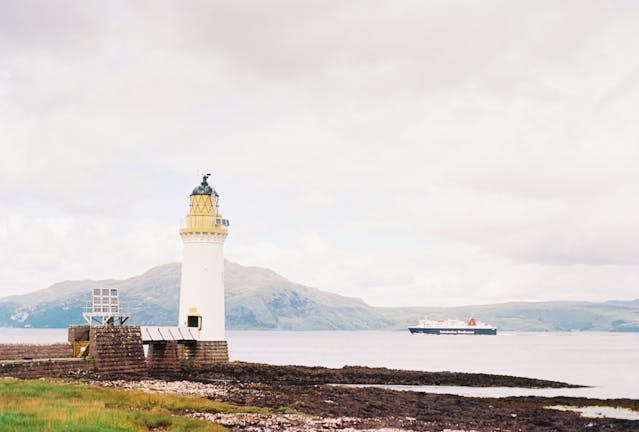
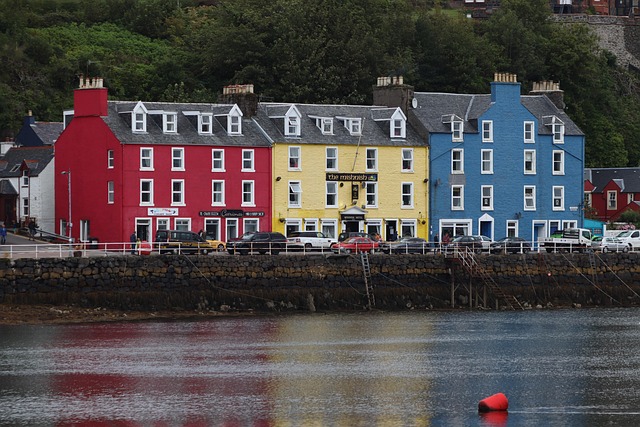
The Isle of Mull does not reveal itself quickly.
The weather shifts constantly. Roads narrow into single tracks. Rain arrives softly and disappears again. Small villages sit between sea cliffs and green hillsides where sheep outnumber people.
And somehow, all of this becomes calming.
Unlike busier parts of Scotland, Mull retains a feeling of genuine remoteness. The island encourages slower movement because rushing simply does not fit the environment.
You spend time watching weather cross the water. You wait for ferries. You stop often because the landscape asks you to.
Tobermory, with its colorful harbor buildings, becomes especially peaceful in the evening after day visitors leave. Beyond it, much of the island feels open, windswept, and deeply quiet.
Ideal for:
- Introverts
- Nature-focused travelers
- People who find comfort in solitude and weather
Slow travel experiences include coastal walks, wildlife watching, reading in small inns, visiting local craft studios, or driving silent roads toward hidden beaches.
Practical travel notes:
- Late spring and early autumn balance fewer crowds with manageable weather
- Bring waterproof clothing regardless of season
- Public transportation exists but driving offers greater flexibility
Mull offers the kind of quiet that feels expansive rather than empty.
7. Český Krumlov in the Early Morning, Czech Republic
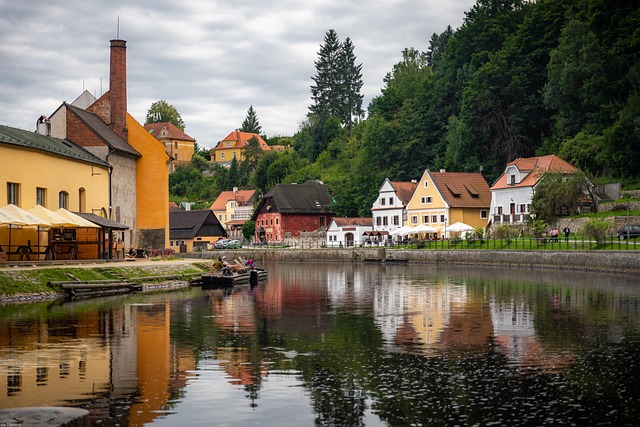
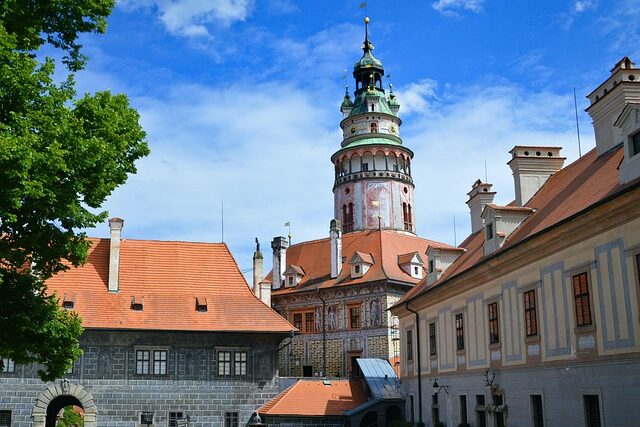
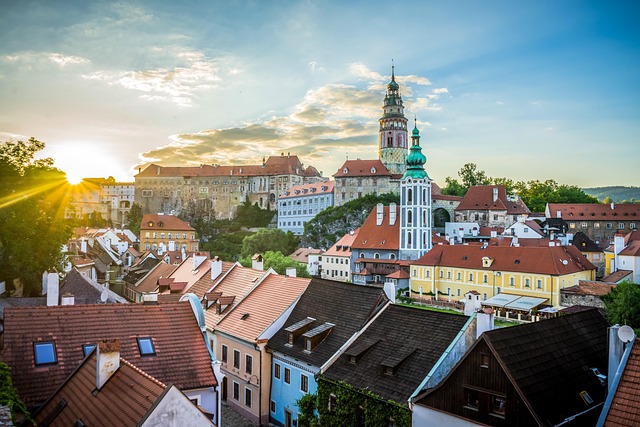
Český Krumlov is not unknown.
But timing changes places completely.
By midday in summer, tour groups fill the medieval streets. Yet in the early morning — especially during autumn or winter — the town becomes something entirely different.
Mist rises from the Vltava River. Stone alleys remain empty except for bakery workers opening shutters. The castle towers above rooftops in pale morning light.
This quieter version of Český Krumlov feels intimate and reflective rather than crowded.
It works best for travelers willing to shape their schedule around silence instead of convenience. Wake early. Walk before breakfast. Stay overnight after day visitors leave.
The sensory experience matters here:
- River fog against old stone
- Warm bread from small bakeries
- Footsteps echoing through narrow lanes
- The muted gold of winter light
Ideal for:
- Slow photographers
- Writers
- Travelers who enjoy historic towns without nightlife intensity
Practical travel notes:
- Visit in late autumn or winter for the calmest atmosphere
- Stay inside the old town overnight
- Early mornings transform the experience completely
Český Krumlov reminds you that peace sometimes depends less on where you go than how gently you move through it.
8. South Tyrol’s Smaller Villages, Italy — Mountain Calm Beyond the Resorts
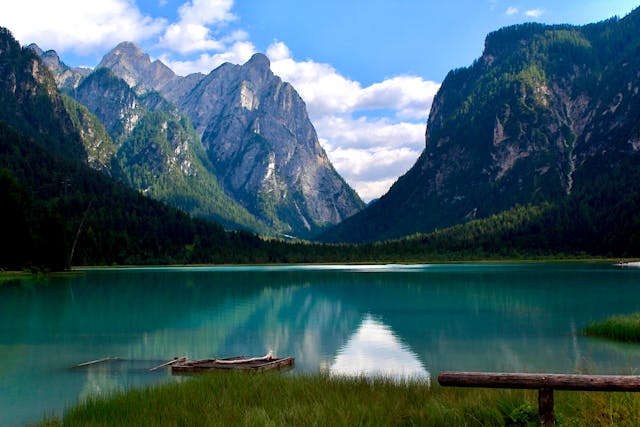
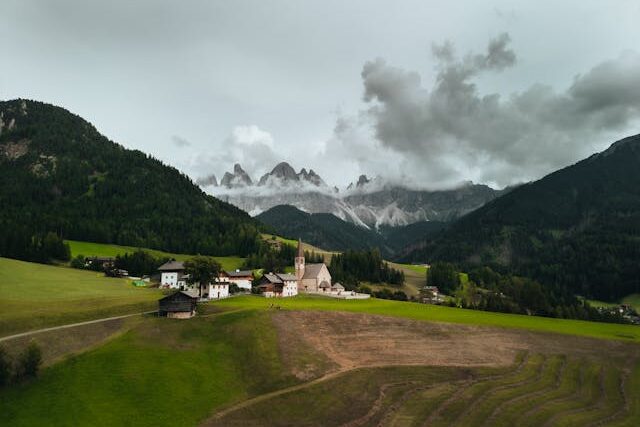
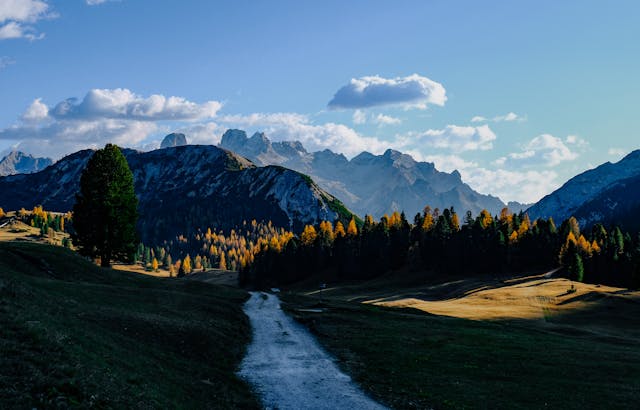
Much of the Dolomites has become busy with tourism, but smaller villages in South Tyrol still hold a quieter rhythm — especially outside peak hiking months.
Places like Villnöss, Castelrotto, and Dobbiaco feel gentler than the better-known resort towns. Wooden farmhouses sit beneath pale mountain peaks. Church bells echo softly through valleys. Trails begin directly behind villages instead of crowded parking areas.
The beauty here feels spacious rather than overwhelming.
Early mornings are especially calming. Mist lingers over fields while cafés slowly open and mountain light moves across the peaks. Evenings arrive quietly, often with cool air drifting through narrow streets scented faintly with pine and wood smoke.
Ideal for:
- Slow walkers and hikers
- Couples seeking peaceful mountain scenery
- Travelers wanting nature without intense adventure culture
The slower pleasures matter most here: long alpine walks, quiet cable car rides, reading beside hotel windows during afternoon rain, or lingering over simple meals of bread, cheese, soup, and local wine.
Practical travel notes:
- Late September and early October are especially peaceful
- Smaller villages are calmer than famous Dolomite hubs
- Public transportation is excellent, though slower-paced travelers may prefer staying in one valley for several days
South Tyrol offers mountain travel without emotional exhaustion. The landscape feels grand, but the pace remains deeply humane.
9. Hydra, Greece in Shoulder Season — An Island Without Hurry
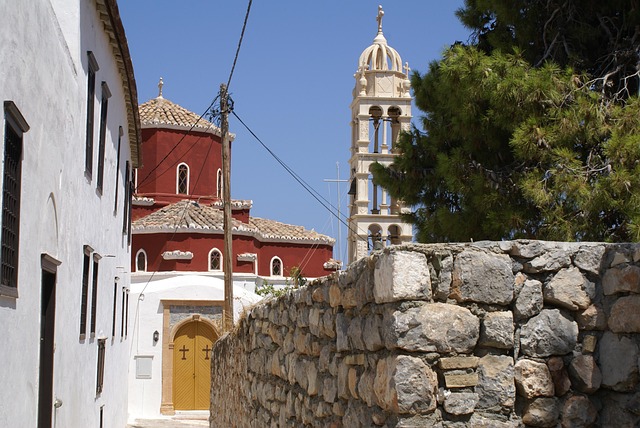
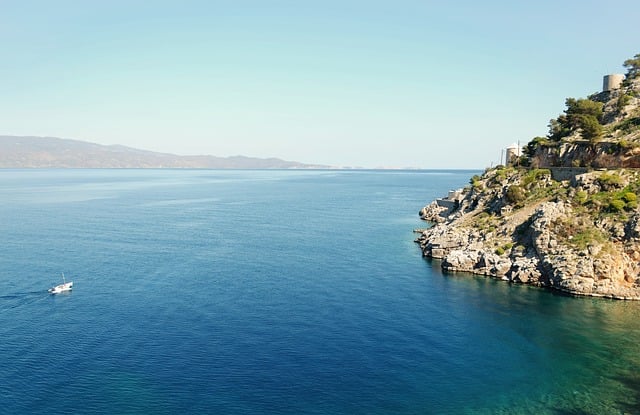
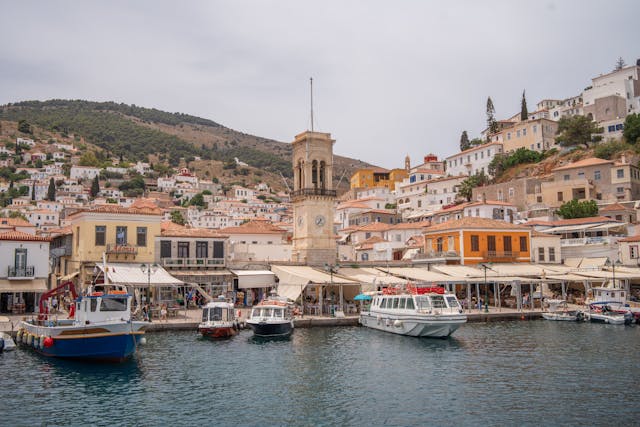
Hydra has no cars.
That single fact changes the emotional atmosphere of the island completely.
Donkeys carry supplies through narrow stone lanes. Footsteps replace traffic noise. The harbor quiets dramatically outside peak summer months.
In April, May, late September, and October, Hydra becomes one of the most peaceful travel Europe experiences for travelers craving Mediterranean beauty without nightlife chaos.
The island feels textured and sun-warmed:
- White stone walls
- Salt air drifting through narrow alleys
- Fishing boats rocking gently in the harbor
- Bougainvillea against faded doors
Days naturally slow down here. You walk everywhere. You stop often. Long lunches beside the water feel ordinary rather than indulgent.
Ideal for:
- Creative travelers
- Couples
- Solo travelers wanting softness rather than isolation
Slower activities include coastal walking paths, swimming from rocks, sketching by the harbor, reading in shaded cafés, or taking small boats to quieter coves.
Practical travel notes:
- Avoid July and August for a calmer experience
- Reachable by ferry from Athens
- Comfortable walking shoes matter more than fashion here
Hydra creates a feeling many travelers quietly miss: life without constant mechanical noise.
10. Transylvania’s Saxon Villages, Romania — Time Moving Differently
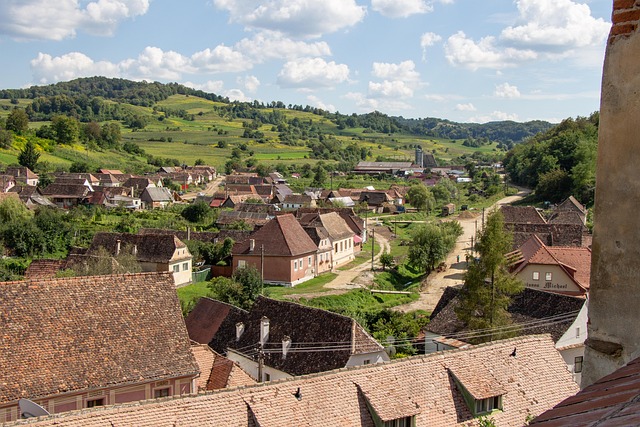
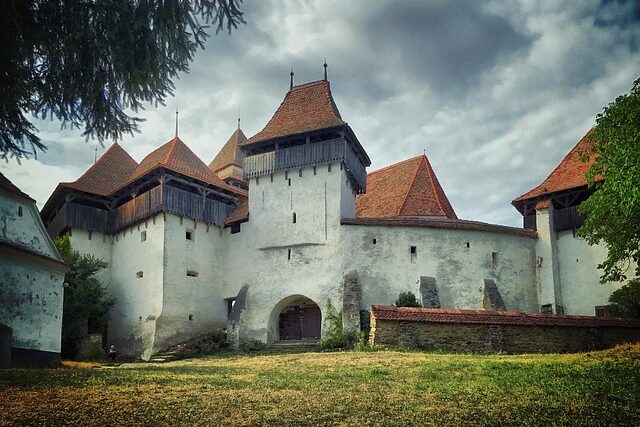
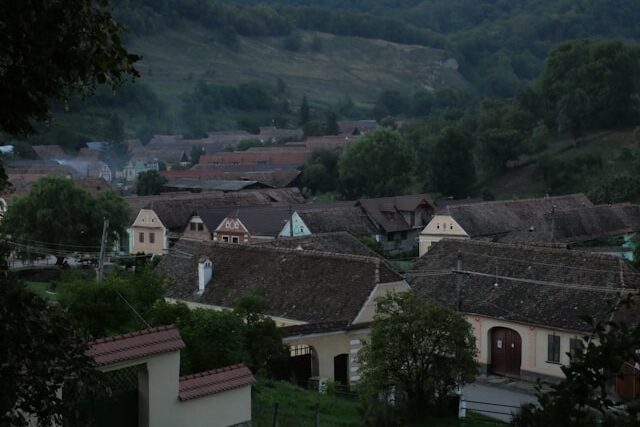
In parts of rural Transylvania, the pace of daily life still follows agricultural rhythms more than digital ones.
Villages like Viscri, Biertan, and Mălâncrav remain deeply connected to landscape and season. Horses pull carts through quiet lanes. Elderly residents sit outside painted homes in the evening light. Church bells travel softly across open fields.
These are not polished destinations designed around entertainment. Their beauty comes from continuity, simplicity, and slowness.
For travelers searching for hidden peaceful places in Europe, rural Transylvania offers a grounded kind of calm that feels increasingly rare.
The atmosphere changes beautifully with season:
- Spring brings wildflowers and cool green hills
- Autumn fills the countryside with smoke, gold light, and harvest quiet
Ideal for:
- Reflective travelers
- Slow cultural travel
- People wanting meaningful rural experiences
Days here revolve around walking between villages, eating homemade food at guesthouses, visiting fortified churches, and spending long evenings outside under dark skies.
Practical travel notes:
- Public transportation is limited; local drivers or rental cars help
- Stay in family-run guesthouses for the richest experience
- Late spring and early autumn are especially beautiful
Transylvania does not ask you to consume experiences quickly. It asks you to stay present long enough to notice them.
A Final Thought on Traveling More Quietly
There is a certain kind of exhaustion that sleep alone cannot fix.
It comes from constant noise, fractured attention, crowded schedules, and the feeling that life is always moving slightly too fast to fully inhabit.
Quiet travel cannot solve everything. But it can gently interrupt that rhythm.
The most peaceful destinations in Europe are not necessarily the most remote or undiscovered. Often, they are simply places where life still allows room for slowness — where mornings unfold gradually, where silence is not treated as emptiness, and where beauty does not demand urgency.
Traveling this way changes what you notice.
You begin remembering sounds instead of attractions. Light instead of itineraries. Conversations instead of checklists.
And perhaps most importantly, you return home feeling less like you escaped your life for a while — and more like you briefly remembered how you want to live inside it.